
Shengliver’s Note: A trip back to my home village in the summer made me keenly aware that the village now is not the village then. Most folk I met about the ancestral grounds were either kids whose grandparents I know, or aunts and uncles and great aunts and great uncles, who were in their sixties, seventies or eighties. Ways of life there are far removed from what I remember of the early 1970s, my salad days. In this blog series, Extinct Trade, the blogger will share with his readers about nine trades which have died out where his roots are.
Down the creek in the valley in the neighbouring hamlet, where most of the families were all Wangs, but not related to us Wangs, a peasant family ran a cotton gin. The machine was not powered by electricity but by water of the creek. A trench coaxed some flow from the small river into the mill.
The cotton ginner had exclusive business in the area for his service was one of a kind. Farming communities, from near and far, all came to have seeds separated from their cotton at the ginner’s. Most autumn and winter days, there were long queues for the service. The scale being small, the workshop did not process much cotton a day. A customer could have queued up there, for a whole day or even for days, for his turn.
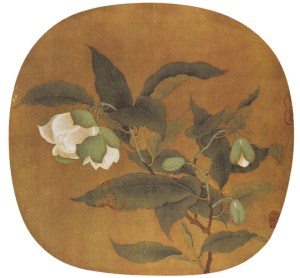
One of the ginner’s sons was my primary school classmate. He was a mild friendly guy with a smile always on the lips. Compared with other kids in the class, he was decently clad and very well fed, thanks to his family’s unique business. Every spring, he brought into the small country school glorious blossoms from a bush in their family yard and shared them with the boys and girls alike. The flowers were really big compared with the wild cousins found everywhere in the country, and the colours of the leaves and buds are still as fresh and vivid in my mind’s eye as if it all had happened only yesterday.
Death of the Trades
Now in the 21st century, in my home village, all the trades described above by the blogger have perished. Technology has rendered them obsolete. So-called carpenters today no longer build furniture from scratch. No family still makes tofu the traditional way. The Fireworks Man passed away decades ago; with his death fell the Lacquer Man. His grandsons left the village and worked in the south as migrant factory workers. Where the mills were creaking and squeaking for ages, there are dainty brick and mortar homes. The dyers would be teased if they were still practising their craft today. Who on earth would still be spinning and weaving cloth and tailoring clothes manually? Even the Tailor’s with sewing machines disappeared without a trace. Ready-made garments are today’s new normalcy. The oil squeezers, should they still practise the trade, must be relying on electric metal machinery rather than hammering with great exertion on a wooden press.
 Shengliver Studio